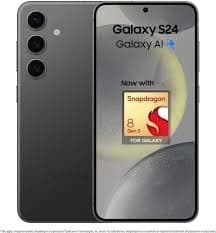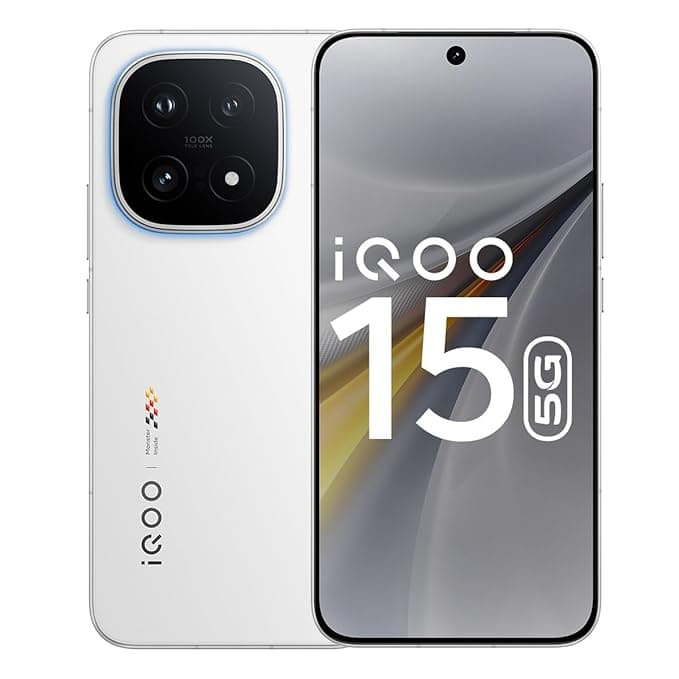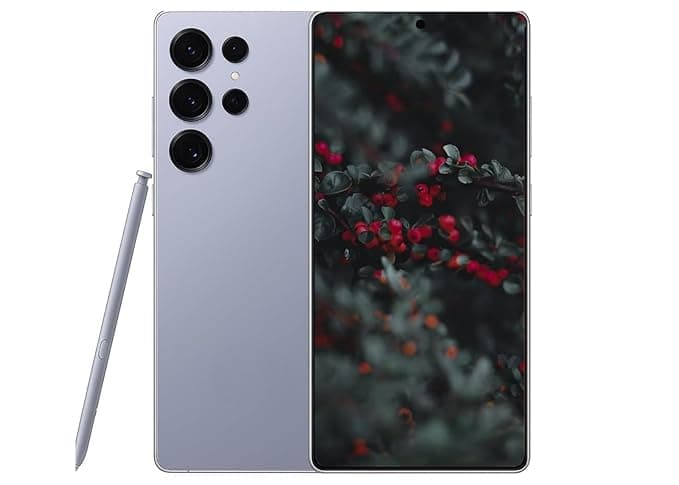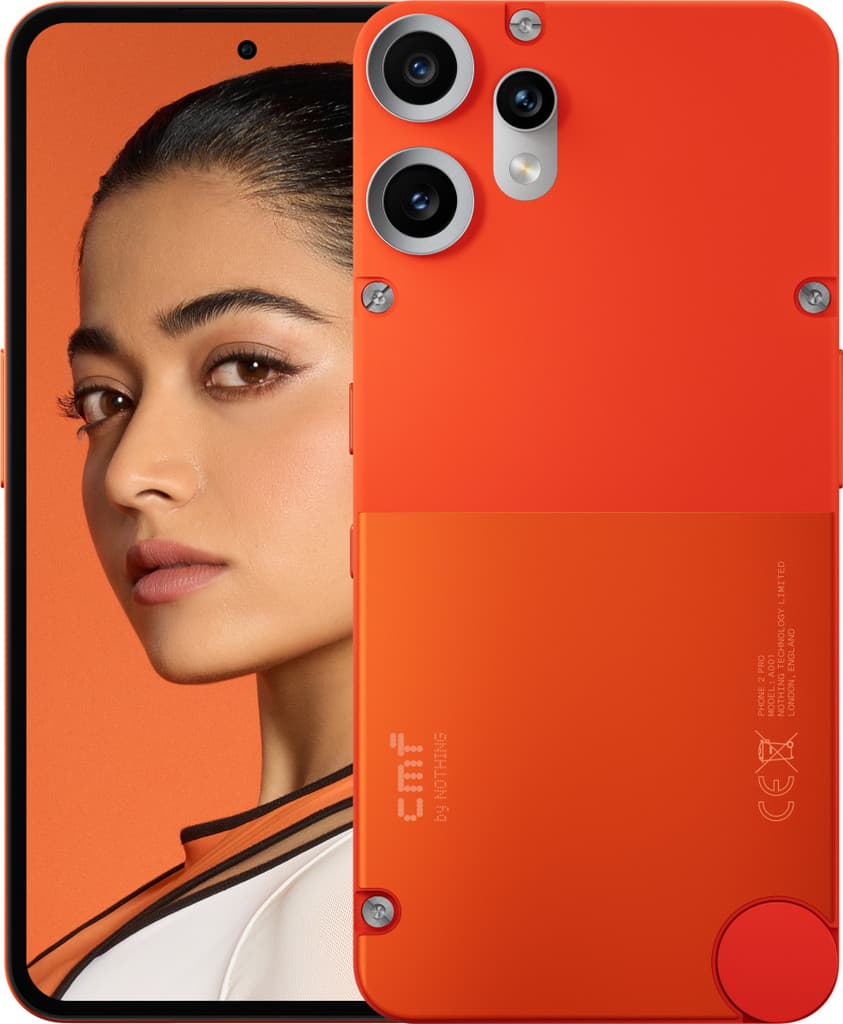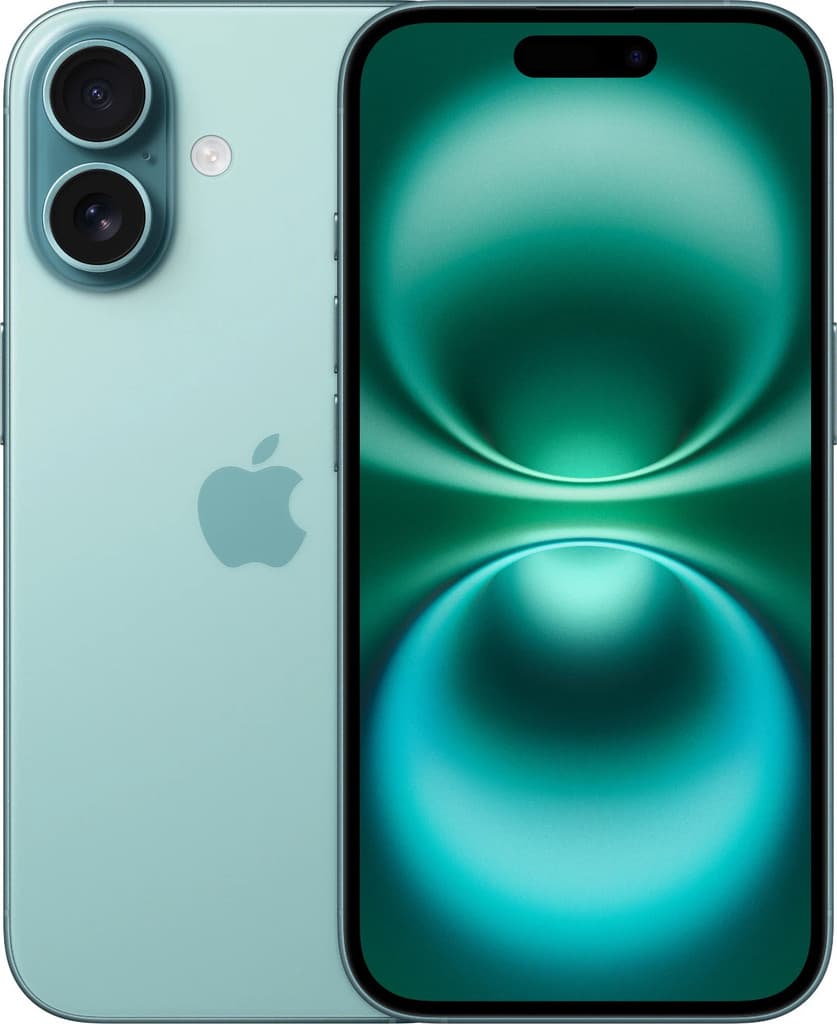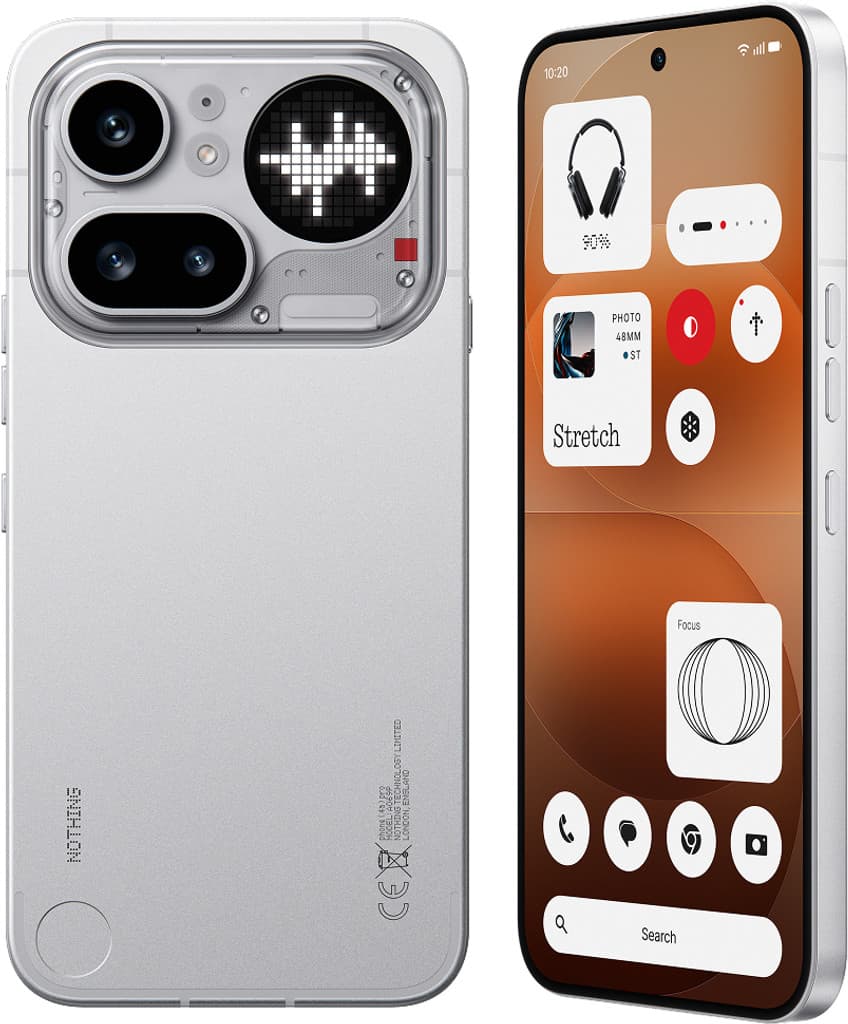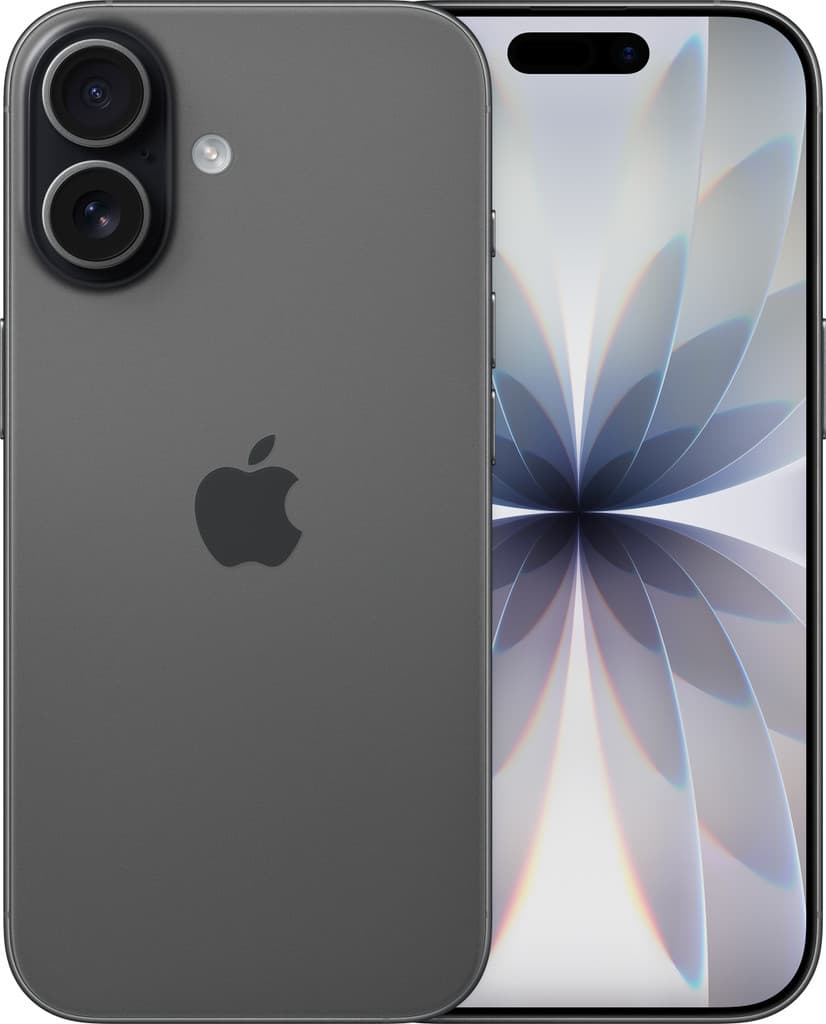
Anticipating the iPhone 18, Galaxy S26, and Pixel 11. Explore 2026’s smartphone trends, from advanced AI integration to the evolution of foldable technology and 2nm chips.
Introduction
As we look toward the horizon of 2026, the smartphone landscape is moving beyond incremental updates into a phase of deep integration between hardware and artificial intelligence. The devices expected to launch in 2026—likely the iPhone 18 series, the Samsung Galaxy S26 family, and the Google Pixel 11—represent a shift where the "spec war" of megapixels and gigahertz takes a backseat to user experience, battery efficiency, and localized AI processing.
For consumers, 2026 is poised to be a pivotal year. We are seeing the convergence of several major technological cycles: the maturation of foldable screens, the transition to 2nm (nanometer) processor manufacturing, and the implementation of stricter global regulations regarding battery modularity and repairability. This post explores what to expect from the major manufacturers and how these shifts will impact your next purchase decision.
TL;DR
- Major Releases: Expect the iPhone 18 (September 2026), Samsung Galaxy S26 (January/February 2026), and Google Pixel 11 (October 2026).
- Key Innovation: The shift to 2nm chipsets will likely lead to significant improvements in power efficiency and on-device AI speed.
- Form Factors: Foldable and rollable devices are expected to become more durable and potentially more affordable as the technology matures.
- Regulatory Impact: Look for more user-replaceable components and standardized charging/data protocols following international legislative pressure.
- Buying Advice: If your current phone is from 2023 or earlier, 2026 will likely be the ideal "super-cycle" for an upgrade due to the leap in processing architecture.
What’s New: The Technological Shifts of 2026
The 2nm Processor Era
By 2026, semiconductor leaders like TSMC and Samsung Foundry are expected to have stabilized their 2nm production lines. For the average user, this isn't just a technical statistic; it translates to a smartphone that can handle complex tasks with less heat and significantly longer battery life. We expect the chips powering the 2026 flagships—likely the A20 Bionic and Snapdragon 8 Gen 5 or 6—to prioritize "efficiency per watt" over raw peak performance.
Generative AI at the Core
While AI was a buzzword in 2024 and 2025, 2026 will see "Local LLMs" (Large Language Models) running entirely on-device without needing a data connection for privacy and speed. This means real-time translation, advanced photo manipulation, and predictive scheduling will happen instantly and securely on your phone. Check out our guide on AI features to see how this compares to current standards.
Advanced Display Technology
Expectations for 2026 include the wider adoption of Tandem OLED technology (already seen in some high-end tablets), which offers higher brightness and a longer lifespan for the display panel. For foldables, we anticipate the "crease" becoming virtually invisible as hinge mechanics and flexible glass compositions improve.
Why It Matters
The 2026 smartphone cycle matters because it marks the end of the "experimental" phase for many new technologies. Foldables will have had nearly seven years of refinement. AI will have moved from a gimmick to a utility. Furthermore, with the rising cost of living, manufacturers are beginning to realize that consumers are holding onto their phones for 4-7 years. Consequently, the 2026 models are likely to be built with longer software support cycles and more durable materials to justify their premium price tags.
Who Should Care
- Productivity Power Users: Those who use their phones as primary work devices will benefit from the enhanced multitasking capabilities of 2nm chips and mature foldable designs.
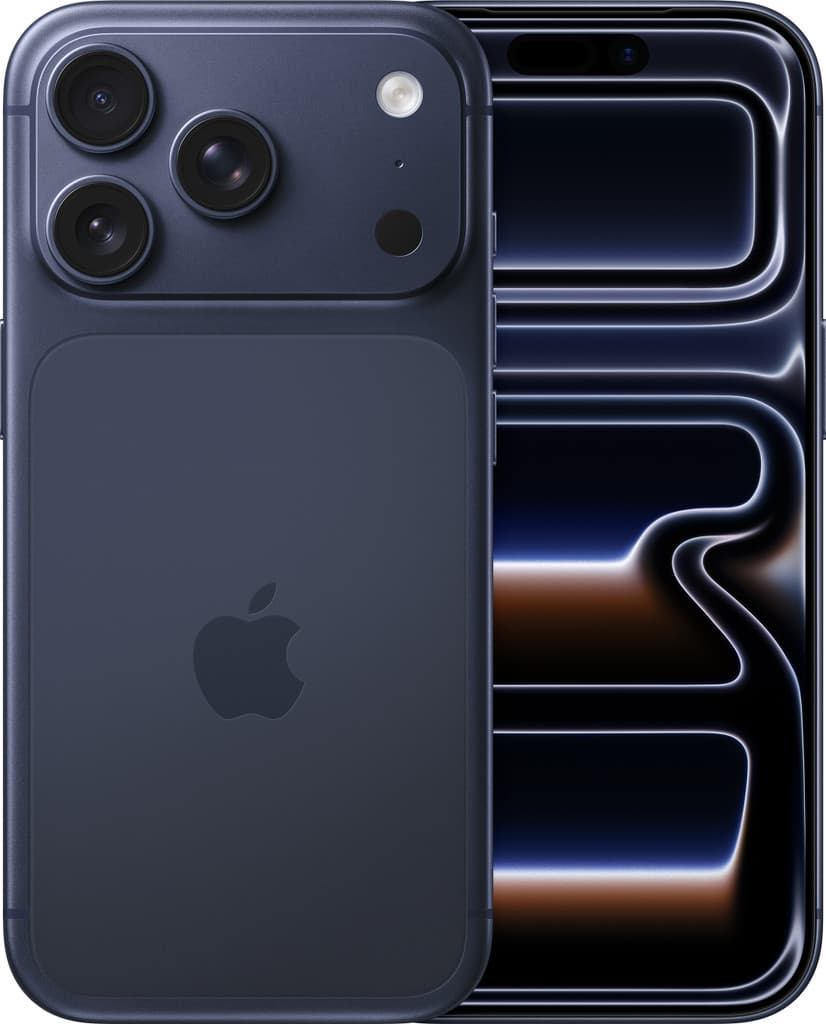
- Photography Enthusiasts: The integration of AI with larger sensor arrays in 2026 will likely bridge the gap further between mobile photography and professional mirrorless cameras.
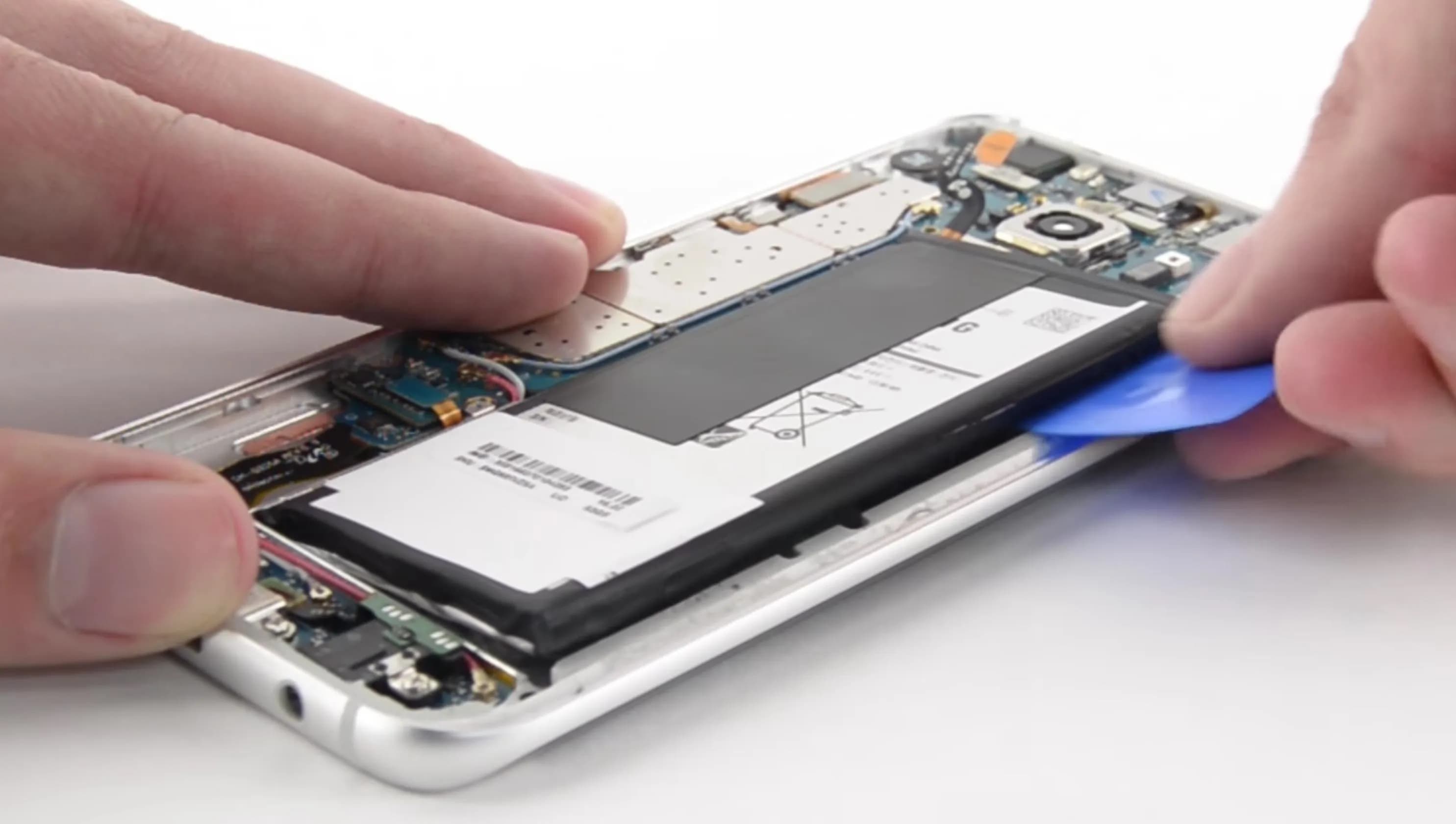
- Sustainability-Minded Buyers: With new regulations, 2026 could be the year we see a return to more consumer-friendly repair options.
- Late Adopters: If you are still holding onto an iPhone 13 or a Galaxy S21, the 2026 generation will offer a night-and-day difference in every measurable metric.
Leading Brand Expectations for 2026
Apple: iPhone 18 Series
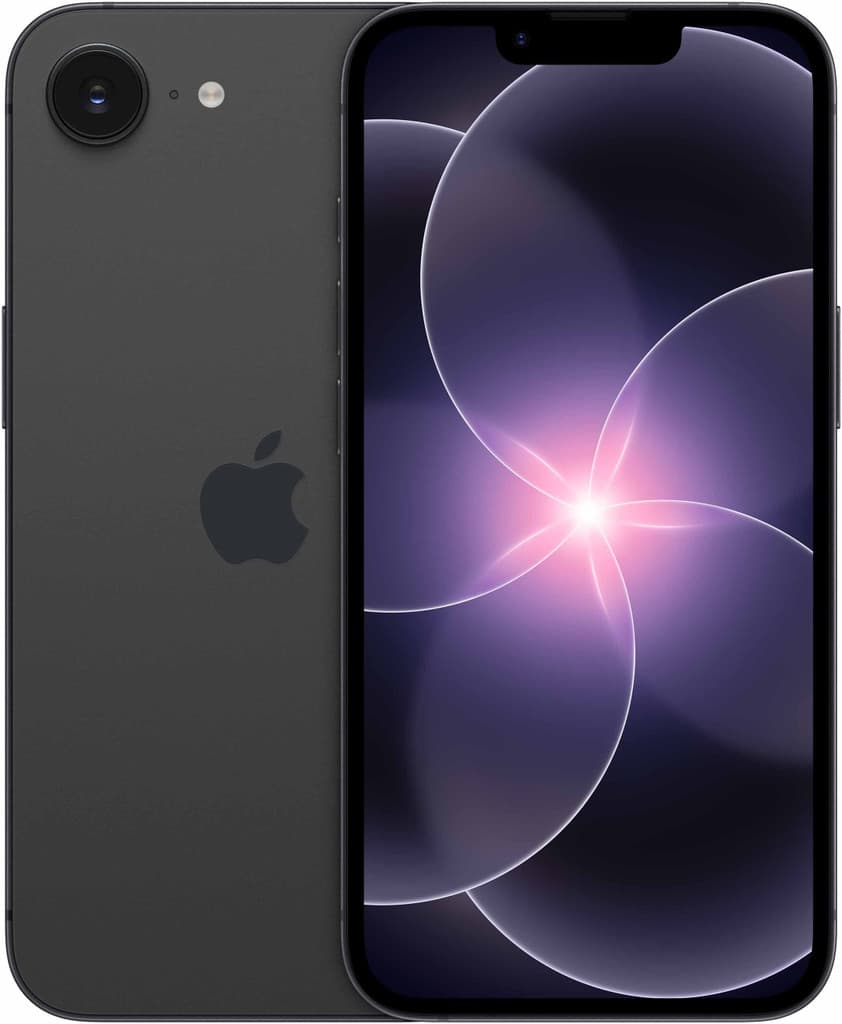
Based on Apple’s historical cycles, the iPhone 18 Pro is rumored to be the first to potentially move FaceID components entirely under the display, eliminating the "Dynamic Island" in favor of a true full-screen experience.
- Expected Focus: Advanced thermal management and proprietary 2nm silicon.
- Trade-off: Apple typically waits for technology to be flawless, so we may not see a "Foldable iPhone" in the mainstream lineup yet.
Samsung: Galaxy S26 and Z Series
The S26 Ultra will likely be the showcase for Samsung’s integrated ecosystem. We expect a heavy focus on "Galaxy AI" integration that works across laptops, tablets, and phones. For the Z Fold 8 and Z Flip 8, expect thinner profiles that rival traditional slab phones.
- Check our current deals: /deals/samsung-galaxy-series
Google: Pixel 11
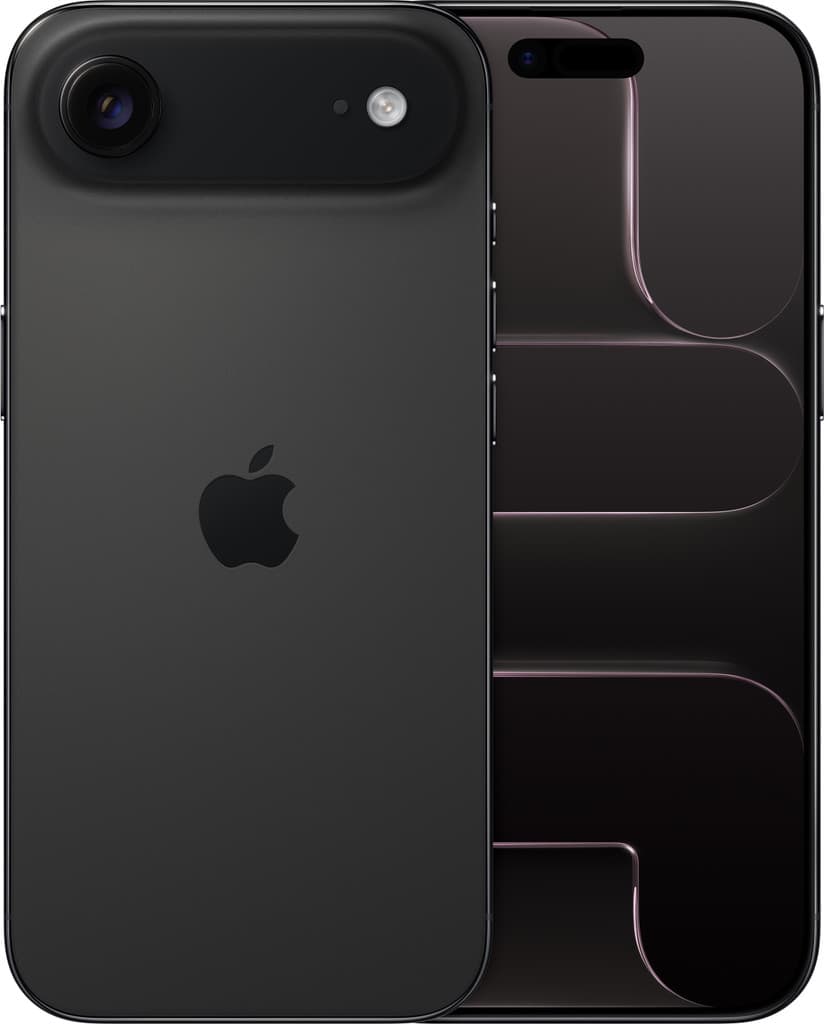
Google’s Tensor chips are expected to be fully custom-designed by 2026, moving away from existing architectures. This should allow Google to optimize the Pixel 11 specifically for its Android AI features, potentially leading to the smartest software experience on the market.
Decision Help: Should You Wait for 2026?
Deciding whether to buy a phone now or wait for the 2026 releases depends on your current device's health. Here is a quick comparison to help you decide:
| Feature | 2024-2025 Flagships | 2026 Expected Flagships |
|---|---|---|
| Chipset Architecture | 3nm (Standard) | 2nm (Highly Efficient) |
| AI Capability | Cloud-Hybrid | Mostly On-Device (Private) |
| Battery Life | 1-1.5 Days | Potential for 2+ Days |
| Repairability | Improving | High (Regulatory Compliant) |
| Network | 5G Advanced | Early 6G prep / Satellite Standard |
The "Should I Wait?" Checklist
- Is your battery health below 80%? If yes, you might need a replacement now rather than waiting two years.
- Are you interested in foldables? If yes, waiting until 2026 is wise, as the technology is currently in a rapid refinement phase.
- Does your current phone receive security updates? If your manufacturer has cut off support, waiting until 2026 may expose you to security risks. See our guide on smartphone security.
What to Watch Next
Keep an eye on the following developments over the next 12-18 months, as they will dictate the final specifications of 2026 devices:
- TSMC’s 2nm Yield Rates: If production hits snags, we might see the 2nm transition delayed to 2027.
- Solid-State Battery Breakthroughs: While still in R&D, any news of small-scale solid-state battery production could revolutionize the 2026 flagship thickness and safety.
- Global Regulatory Rulings: Watch for new EU or US mandates regarding battery accessibility, as these will force design changes in 2026 models.
FAQs
Q: Will smartphones be more expensive in 2026? A: While base prices tend to creep upward due to inflation and component costs, the maturity of the market often leads to better "mid-range" options that offer flagship performance from 2-3 years prior.
Q: When exactly will the 2026 iPhones be released? A: Historically, Apple announces new iPhones in the first or second week of September. Expect the iPhone 18 around September 2026.
Q: Will 6G be available in 2026? A: It is unlikely that 6G will be commercially available in 2026. Most 2026 devices will focus on optimizing "5G Advanced" for better reliability and lower latency.
Q: Are foldable phones durable enough yet? A: By 2026, we expect the 8th generation of foldables. At that point, durability should be comparable to standard glass slabs, though we recommend checking latest durability test results before buying.
Q: Will chargers still be sold separately in 2026? A: Yes, the trend of excluding the charging brick is expected to continue as part of environmental initiatives, though USB-C will remain the universal standard.
Q: Can I still use my 2026 phone if AI becomes a paid subscription? A: Most manufacturers are exploring "freemium" AI models. Basic OS functions will always work, but advanced generative features may require a service plan.
What to Do Now
- Audit Your Current Device: Check your storage capacity and battery health. If you are already at your limit, waiting until 2026 might be difficult.
- Monitor Trade-In Values: If you plan to upgrade in 2026, keep your current phone in good condition. Use a screen protector and case to maximize your future trade-in credit. /blog/maximizing-trade-in-value
- Save for the "Super-Cycle": Since 2026 is expected to be a major hardware leap (2nm chips), start a small tech fund now to offset the premium cost of these next-gen devices.
- Follow Component News: Stay updated on semiconductor news, as it is the best predictor of smartphone performance leaps.