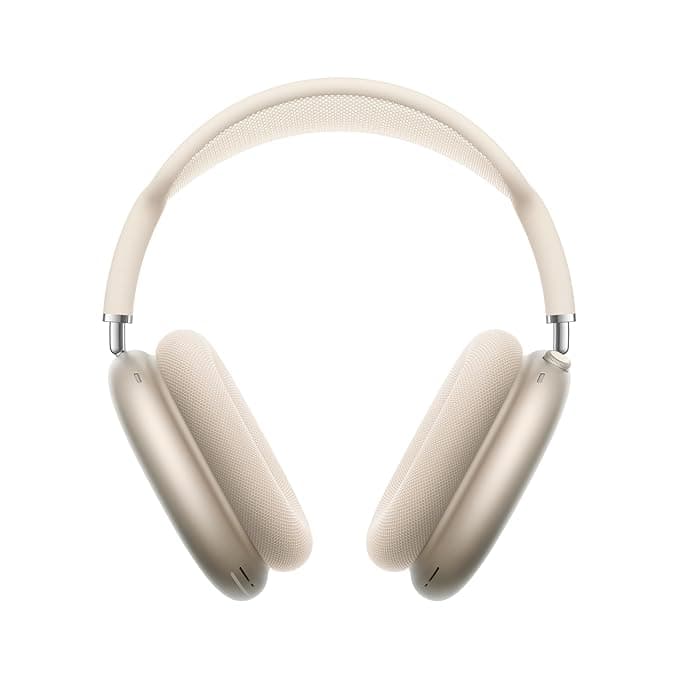
Read our Apple AirPods Max review to see if the 2x noise cancellation, USB-C charging, and spatial audio justify the premium price for Apple users.
TL;DR
- Who should buy: Apple ecosystem power users who prioritize seamless device switching and industry-leading active noise cancellation.
- Who should skip: Budget-conscious listeners or those who require a traditional 3.5mm analog connection.
- Standout reason: The integration of the H1 chip with computational audio provides a "magical" pairing experience and superior noise management.
- Value note: At a premium price of 59,900, these are positioned as a luxury tech investment rather than a casual purchase.
Introduction
The Apple AirPods Max represent the pinnacle of Apple’s wearable audio technology. Designed to bridge the gap between high-fidelity studio sound and the convenience of consumer electronics, these headphones aim to provide an unparalleled listening environment. In this Apple AirPods Max review, we look at how the latest hardware updates—including the move to USB-C—impact the overall value proposition for users who want the best possible integration with their iPhone, Mac, and iPad.
What You Get
The AirPods Max are over-ear headphones featuring an Apple-designed dynamic driver aimed at delivering high-fidelity audio. The package includes the headphones themselves, available in five updated finishes (Midnight, Starlight, Blue, Purple, and Orange), and a color-matched Smart Case. Notably, this version now features a USB-C connector for charging, aligning it with the latest generation of Apple devices.
High-Fidelity AirPods Max Features
- Computational Audio: Powered by the Apple H1 chip in each ear cup, the headphones use custom acoustic design and software to tune audio in real-time.
- Pro-Level Active Noise Cancellation (ANC): Apple claims this hardware removes up to 2x more background noise compared to previous iterations, allowing for deep immersion.
- Transparency Mode: A dedicated setting that allows environmental sounds to filter through, making it easier to interact with the world without removing the headset.
- Personalised Spatial Audio: Uses dynamic head tracking and custom ear profiling to create a theater-like soundstage for music and movies, including Dolby Atmos support.
- Acoustic-First Build: Features a breathable knit-mesh canopy and memory foam ear cushions. (Assumption: The mesh canopy is designed to distribute weight to reduce on-head pressure).
- Precision Control: The physical Digital Crown allows for volume adjustment, track skipping, and call management.
- Universal Charging: The inclusion of USB-C means you can use the same cable for your iPhone, iPad, and Mac.
Pros & Cons
Pros
- Exceptional Ecosystem Integration: Automatic switching between Apple devices is nearly instantaneous.
- Superior Build Materials: Uses a knit-mesh and metal aesthetic rather than the standard plastic found in the category.
- Simplified Charging: The move to USB-C removes the need for proprietary Lightning cables.
- Intuitive Controls: The Digital Crown provides more tactile and reliable feedback than touch-sensitive panels.
Cons
- Premium Price Point: At 59,900, they are significantly more expensive than many competitors in the over-ear category.
- Smart Case Design: The included case provides protection for the ear cups but leaves the headband exposed.
Real-World Use and Spatial Audio Experience
In typical daily scenarios, the AirPods Max are designed to adapt to your environment. For commuters, the noise cancelling headphones performance is intended to silence engine drones and city chatter. In an office or home setting, the Transparency mode is vital for staying aware of colleagues or family members.
The spatial audio experience is most evident when watching high-production-value films or listening to Atmos-supported tracks; the sound feels as though it is coming from fixed points in the room rather than just inside the ear cups. The "Magical Experience" of the H1 chip means that if you are watching a movie on your iPad and receive a call on your iPhone, the audio transitions automatically without manual Bluetooth pairing.
How It Compares
Within the high-end electronics category, the AirPods Max stand out primarily due to their material choices and software-hardware synergy. While most premium headphones rely on plastic frames to save weight, Apple uses a knit-mesh canopy and specialized cushions to prioritize a seal that "perfectly seals in sound." While they may feel heavier than plastic alternatives (Assumption based on materials), the focus is clearly on the fidelity of the "Computational Audio" rather than just raw driver size.
Who Should Buy It / Who Should Avoid It
Who Should Buy It:
- Users fully invested in the Apple ecosystem.
- Frequent travelers who need top-tier noise cancellation.
- Listeners who value aesthetic design and premium build materials.
Who Should Avoid It:
- Android users (many "magical" features like Automatic Switching and Spatial Audio require Apple hardware).
- Users looking for a lightweight, foldable travel headphone.
- Audiophiles who strictly use wired high-impedance setups.
FAQs
What colors are available for the new AirPods Max? They come in five fresh colors: Midnight, Starlight, Blue, Purple, and Orange.
Does it come with a charging cable? While a USB-C connector is built into the device, you can use any standard USB-C cable that you use for your iPhone, iPad, or Mac.
How does the noise cancellation compare to other AirPods? The AirPods Max feature "Pro-level" ANC, which Apple states removes up to 2x more noise than their standard noise-canceling technology.
Can I use these for phone calls? Yes, the Digital Crown allows you to answer, end, and mute yourself on calls easily.
What is the benefit of the H1 chip? The H1 chip enables computational audio, ultra-low latency, and features like "Hey Siri" and Automatic Switching between devices.
Is the Smart Case included? Yes, a color-matched Smart Case is included in the box.
Verdict
The Apple AirPods Max remain a luxury powerhouse in the audio world. While the price is high, the combination of 2x Active Noise Cancellation, the new convenience of USB-C, and the seamless Apple integration makes them a compelling choice for those who want a "set it and forget it" high-fidelity experience. If you value build quality and software intelligence over budget, these are a top-tier choice.